Why would a nonprofit pay $1.6 million for a stretch of cracked, abandoned tennis courts on Lower Matecumbe Key, then spend almost as much again just to demolish what's there and raise the ground before building anything new? And why did construction crews spend last winter burying box culverts under Sandy Cove Avenue, on a project that costs more than any canal fix the village has ever funded, for two canals most people never drive past?
Neither answer has much to do with recreation or water quality, even though that's what both projects will eventually deliver. Both are about who controls what happens to land and water on this key when nobody else is willing to pay for it. If you live on Lower Matecumbe, here's what's actually happening on both fronts, and why neither one is going to move on a schedule you can circle on a calendar.
What's Replacing the Old Tennis Center
The parcel at 76800 Overseas Highway closed in January 2026, purchased by the Islamorada Foundation, the same nonprofit behind several of the village's smaller park projects over the past decade. The foundation paid $1.6 million for 3.5 acres, though only 2.2 of those acres are actually usable once flood elevation and setback requirements are factored in. The build-out, once it happens, is estimated to cost between $1.8 million and $1.9 million, which is more than the land itself cost. Most of that money goes toward demolishing the old tennis center buildings and courts and raising the ground elevation before a single pickleball line gets painted.
The plan, once funded, includes tennis, pickleball, and bocce courts, a golf practice area, a half-court basketball setup, shaded structures, green space, and parking. None of it has a firm completion date. J.C. Mikula, who founded and chairs the foundation's board, was direct about why the purchase mattered more than the amenities that will eventually sit on it:
"We saw the property as an opportunity to acquire another 3.5 acres and thwart potential commercial development. The timeframe is 100% fund driven."
That's the part worth sitting with. The foundation isn't buying vacant highway frontage because Lower Matecumbe is short on pickleball courts. It's buying frontage because a vacant commercial parcel on U.S. 1 is a parcel someone else could eventually redevelop into something with a lot more traffic and a lot less green space. Turning it into a park is a way of taking that decision off the table permanently, and it works whether or not the foundation ever finishes raising money to build the courts.
The Same Playbook, Already Proven on Upper Matecumbe
This isn't the foundation's first run at this exact move. Back in 2018, it acquired a 1.39-acre parcel at 81031 Overseas Highway on Upper Matecumbe Key for $1.2 million, a lot that had housed a couple of restaurants over the decades and then sat vacant for years. Build-out happened gradually, funded in large part by a $1 million donation from Islamorada resident Louella Reese, who received naming rights in the process. The result is Gib Reese Park, named for Reese's late husband, now running pay-as-you-play pickleball courts, a children's playground, and shaded picnic space.
In 2023, the foundation added the Megan Edwards Center on that same site, a meeting and event space with kitchen facilities that also includes an affordable housing unit. The center is named for Reese's daughter, who died of ovarian cancer in 2021. Kristi Mikula, describing the intended use, said the space was meant for "homeowners association meetings, gardening classes, lectures and wedding rehearsals and weddings."
The pattern matters for Lower Matecumbe because it shows how these projects actually get finished: not through village budgets or bond measures, but through a founder-led nonprofit board securing large individual donations tied to naming rights, spread out over years. Joe Jiovenetta, an Islamorada resident who owns Alma Wealth Management, started a pickleball tournament specifically to raise maintenance money for Gib Reese Park, noting the park serves "the Upper and Lower Matecumbe communities." That's the model the tennis center site is now following, just a few years behind.
Underneath Sandy Cove Avenue
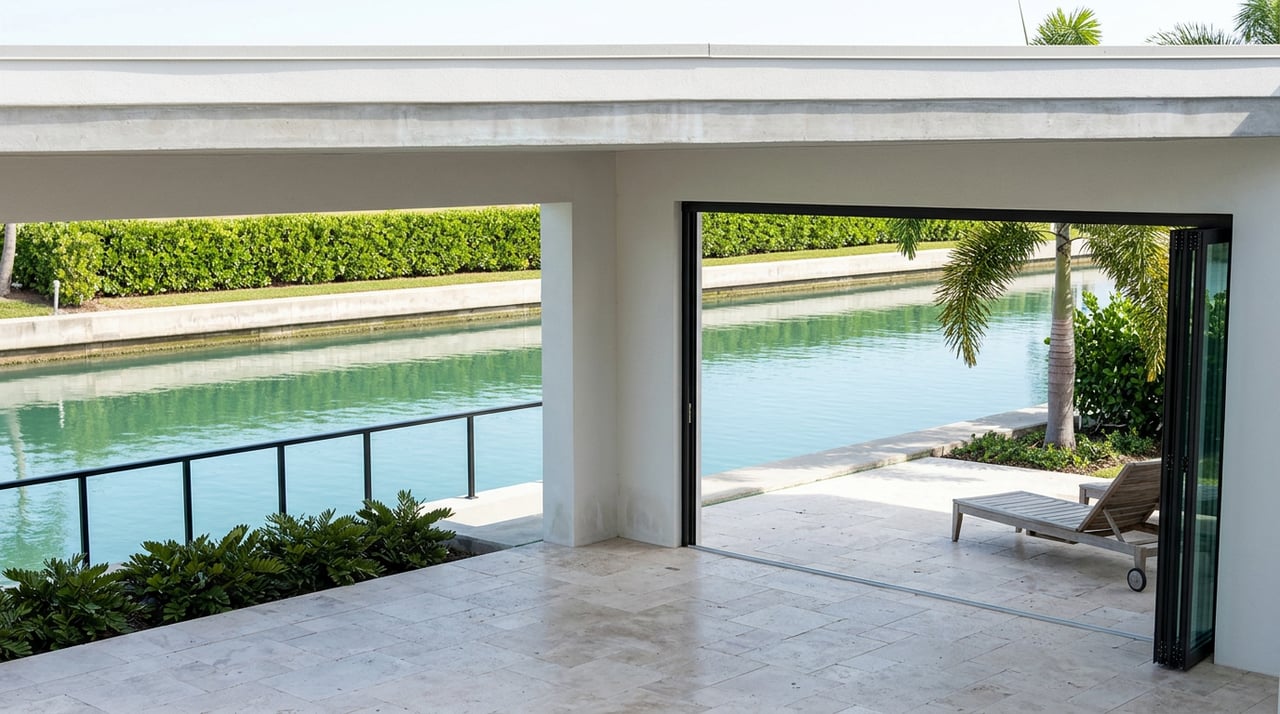
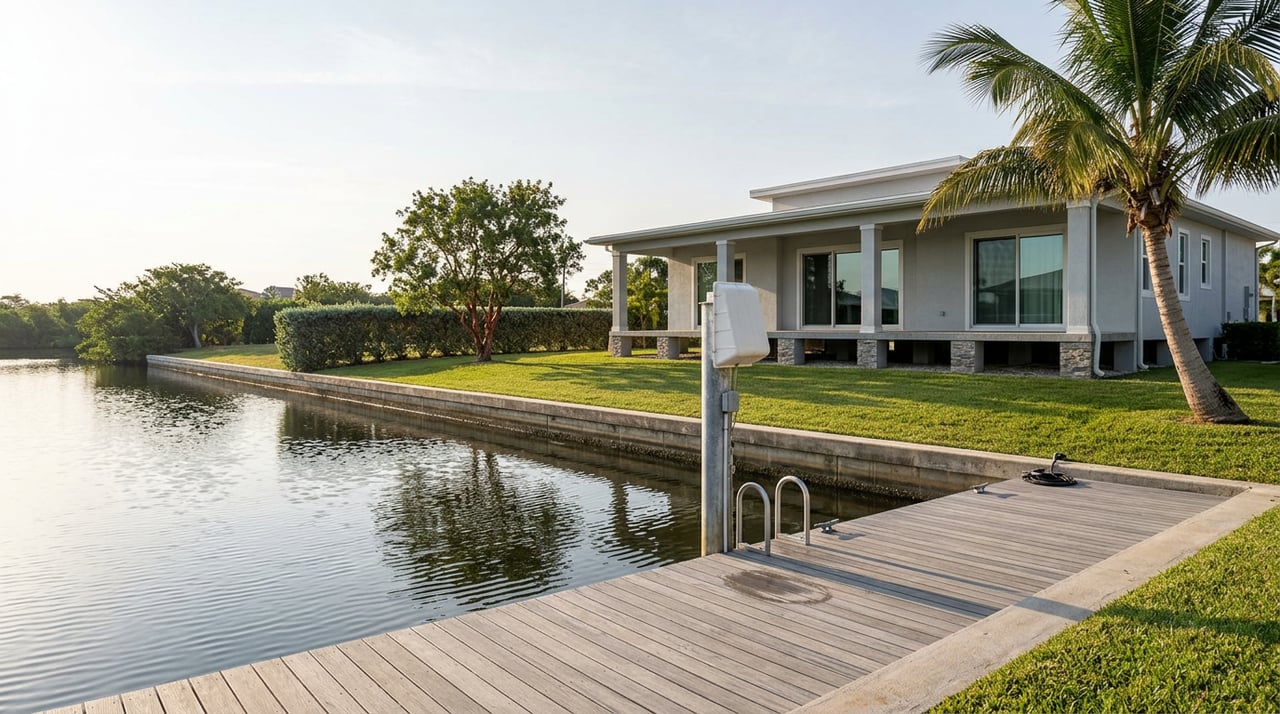
The second project has nothing to do with the foundation and everything to do with the village's decade-long fight against its own canals. Islamorada started a formal canal restoration program back in 2014 to address the poor water circulation baked into canals dredged and filled for development in the 1950s and 1960s. Lower Matecumbe's canals 155 and 157, both dead-end systems, were flagged as needing hydrological connection to restore oxygen levels and meet state water quality standards.
The fix, an $8.9 million project, is the most expensive single canal restoration the village has ever funded, and it's paid for entirely through state grants rather than resident assessments. Construction crews from LPS Contracting, based in Key Colony Beach, began placing box culverts, four feet by four feet, side by side underneath Sandy Cove Avenue starting in November 2025, working about 500 feet down from where the road meets U.S. 1. Peter Frezza, the village's environmental resources manager, has been pushing this specific project for years:
"I've been working on this for four years between the permitting and securing grant funding."
Because the culvert pipes run through private property in places, the village needed easements from individual homeowners along the route before work could start. Frezza also noted the obvious upside for anyone whose water frontage is on one of the affected canals, saying the improved circulation could mean "an increase in their property values" alongside the cleaner water itself. Whether the pipes are fully connected as you read this depends on how construction played out over the months since that January report. What's not in question is the scope of what comes next: the village has already identified canals 150, 151, and 152 as candidates for the same treatment.
Why Neither Project Has a Real Finish Line
Put the two projects side by side and a pattern shows up that's easy to miss if you only hear about them separately. The tennis center park depends entirely on donor fundraising with no village budget backing it. The canal work depends entirely on state grant cycles that took four years of permitting to land. Neither one runs on a municipal timeline, which means neither one is going to move at the pace a straightforward public works project would.
The canal numbers also put Sandy Cove's good fortune in context. A 2021 village engineering ranking estimated that fixing all 63 of Islamorada's canals, roughly 24 miles of waterway, could eventually cost well over $300 million. Canal 150, the next one in line for Lower Matecumbe and located in Port Antigua, carries an estimated repair cost of $41 million on its own, more than four times what just got spent connecting 155 and 157. Getting funded first wasn't about being the worst canal on the list. It was about being the project that could actually clear the state's grant requirements in a reasonable window.
That's the throughline for both stories. Lower Matecumbe is getting real infrastructure and real green space right now, but almost none of it is being paid for the way people usually assume public improvements get paid for. One project moves as fast as a private donor base allows. The other moves as fast as a four-year grant cycle allows. If you're waiting on a ribbon-cutting date for either one, the honest answer is that nobody involved has one to give you.
If you want a closer read on how a specific canal, street, or parcel on Lower Matecumbe fits into either project, or what any of this means for a property you already own here, the team at Pine River Realty knows this stretch of the Keys well enough to walk through it property by property. Book an appointment and we'll talk through what's actually happening on your street.