By Pine River Realty
A Miami home decision can feel like picking one voice out of thousands. The right professional brings credentials, clear communication, and local judgment to every showing. A short checklist makes the choice much easier. We put together the qualities worth confirming before you sign anything.
Key Takeaways
- Verified license: The Florida Division of Real Estate lets anyone search licenses by name or license number.
- Clear relationship: Florida law addresses brokerage relationship disclosure, so ask which role your agent will play.
- Flood awareness: Flood zone details can affect insurance decisions, and public map tools help shoppers check an address.
- Language skills: Spanish is widely spoken at home in Miami, so bilingual ability can improve communication.
Florida License Checks Through the Division of Real Estate
The Florida Division of Real Estate, part of the Department of Business and Professional Regulation, licenses sales associates and brokers across the state. Its website says users can search records by name or license number to verify credentials.
License Items to Confirm
- Active status: A record search is the quickest way to confirm the license is current before any agreement is signed or any showing is scheduled.
- Broker connection: Sales associates work under a supervising broker, so ask which brokerage holds the license.
- Education history: New sales associates complete 45 hours of post-license education, and licensees complete 14 hours of continuing education every two years after the first renewal.
A lookup takes only minutes and removes guesswork before you share any personal or financial details. The Division also publishes final disciplinary orders, which adds another layer of transparency.
Brokerage Relationships Under Section 475.278
Florida’s brokerage relationship statute, section 475.278, addresses the disclosure a licensee provides about the role they will hold. Common roles include single agent, transaction broker, and no brokerage relationship.
Questions About the Relationship
- Role clarity: Ask which relationship the agent will hold with you and what that means for advice, negotiation, and loyalty during the transaction.
- Written disclosure: Request the disclosure form early so the terms are understood before showings begin.
- Duties owed: Compare the duties each role carries, and ask the agent to explain the differences in plain language.
Clear answers at the start prevent misunderstandings later and set honest expectations for the whole process. A confident agent welcomes these questions.
Flood Maps and Insurance Questions
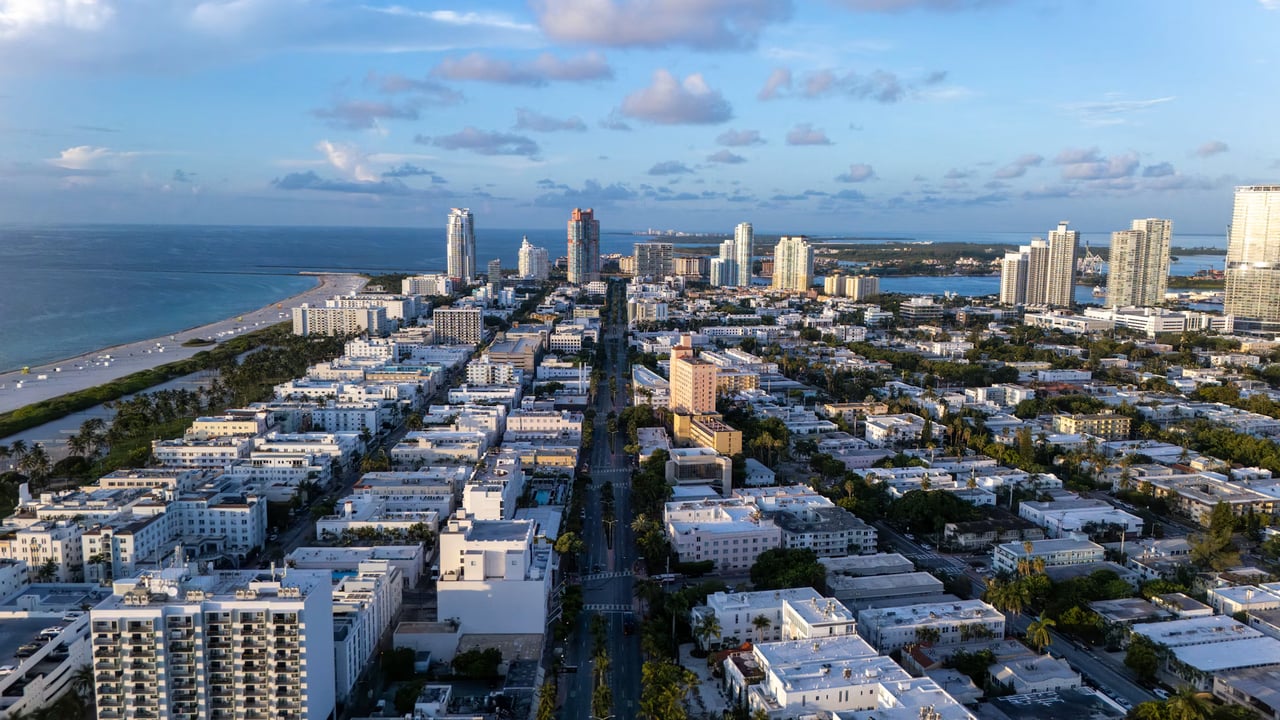
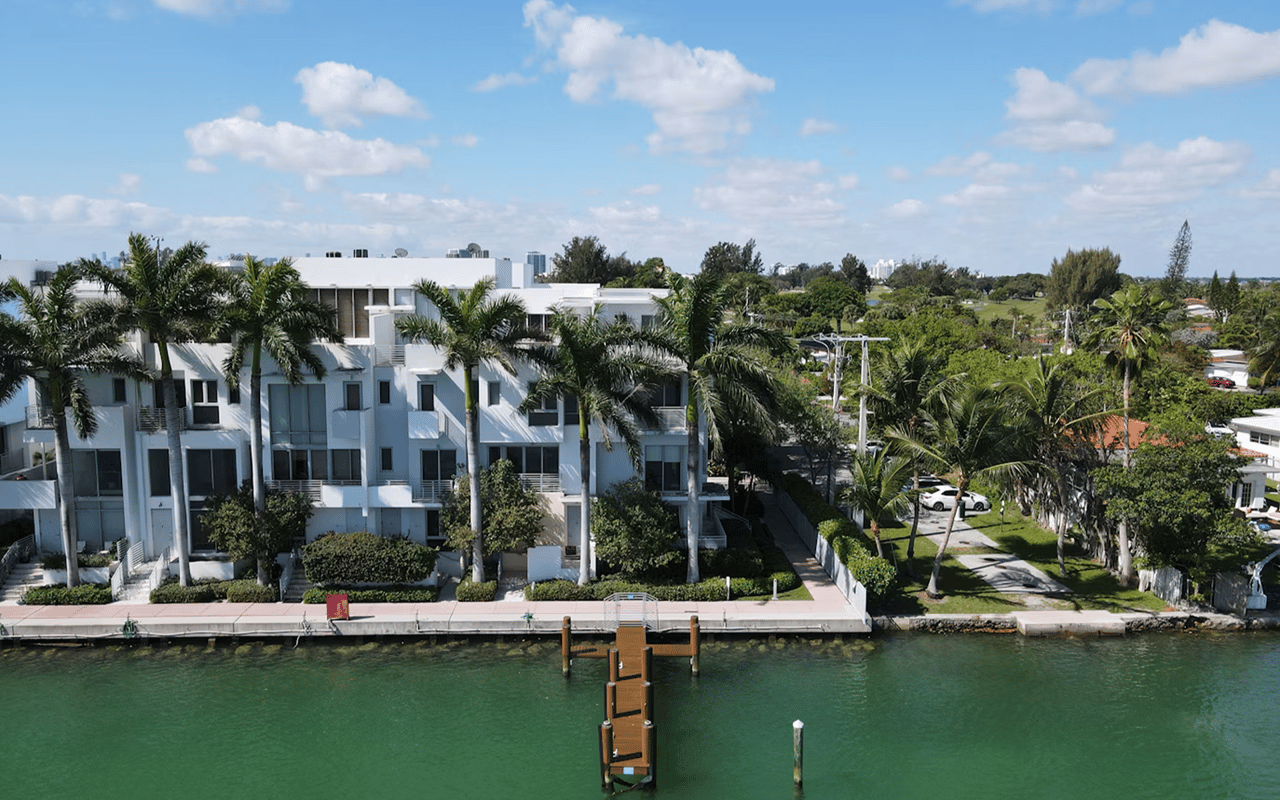
Miami sits on Biscayne Bay, so flood zone status is a routine part of any home evaluation. Miami-Dade County publishes flood zone maps, and the FEMA Flood Map Service Center lets users search by address.
Flood Topics to Raise
- Zone lookup: Ask the agent to check the address on the FEMA map service before an offer goes in, and keep a copy for your records.
- Map updates: FEMA notes that flood maps are updated over time, so printed copies can become outdated.
- Insurance quotes: Request a quote early because coverage costs can influence the monthly budget.
A knowledgeable agent explains what the zone designation means for a specific address. Licensed insurance professionals can then provide the actual coverage details.
Condo Experience and Reserve Studies
High-rise towers are common in neighborhoods such as Edgewater, so condominium knowledge matters. Florida regulators publish a reporting form and database tied to structural integrity reserve studies.
Condo Questions
- Association documents: Ask the agent to help review budgets, rules, meeting minutes, and any recent notices to owners.
- Reserve information: Request the latest reserve study details and ask how they affect monthly dues and future projects.
- Special assessments: Ask whether any are proposed, since they can change ownership costs.
An agent who handles condominiums regularly knows which questions to put in writing. A licensed attorney should review the legal documents.
Bilingual Communication Across Miami
Miami is a Spanish-speaking majority city, with about 70 percent of residents speaking Spanish or Spanish Creole at home in the 2015 American Community Survey. Clear communication in the language a household prefers keeps contracts and negotiations easy to follow.
Communication Points
- Language fit: Ask whether the agent can walk through documents in Spanish or English as needed, including contracts and disclosures.
- Translated materials: Confirm which documents are available in each language and who prepares them for your review.
- Family involvement: Relatives often join big decisions, so a bilingual agent keeps everyone informed.
Language ability is a practical credential, so ask about it directly. Interpreters and attorneys can also help with legal documents.
FAQs
How do I verify a real estate agent Miami FL license?
Search the Florida Division of Real Estate records by name or license number on the state’s licensing site. Confirm the license is active and ask which brokerage supervises the agent. A reputable professional will gladly share this information.
What questions should I ask in a first meeting?
Ask about the brokerage relationship, recent local experience, flood zone knowledge, and condominium familiarity. Request references and an explanation of how communication will work throughout the process. A clear plan for updates shows how organized the agent will be.
Does bilingual ability matter in Miami?
Many Miami residents speak Spanish at home, so bilingual service can make documents and negotiations clearer. Ask the agent which languages they use in transactions. Written materials in your preferred language can prevent costly confusion.
Contact Us at Pine River Realty
Pine River Realty welcomes questions about licenses, disclosures, and neighborhoods before you commit. Contact us today at Pine River Realty to schedule a consultation.