Buying your first home in West Miami can feel exciting and a little intimidating at the same time. You are trying to balance budget, financing, monthly costs, and the reality of a small, established market where the right home may not sit for long. This guide will help you understand what to expect, how to prepare, and which local programs may help you buy with more confidence. Let’s dive in.
Why West Miami Appeals to First-Time Buyers
West Miami is a small city in Miami-Dade County with a central location between Tamiami Trail and Coral Way. According to Census QuickFacts, the city has an estimated 2025 population of 7,125 and covers just 0.71 square miles, which makes it a compact market with limited space and an established housing base.
That small footprint matters when you start your search. In a city with about 2,956 housing units and 2,698 households, your options may be more limited than in larger nearby areas. For you as a first-time buyer, that means preparation is not just helpful. It is often essential.
West Miami also reflects the broader diversity and pace of Miami-Dade. Census data shows a 66.7% foreign-born population and a mean commute time of 25 minutes, which helps explain why many buyers are drawn to the area’s central position and commuter-friendly feel.
Understand West Miami Housing Costs
One of the biggest first-time buyer mistakes is focusing only on the list price. In West Miami, the full monthly cost of ownership can matter just as much.
Census QuickFacts reports a median owner-occupied home value of $488,800. It also shows median monthly owner costs with a mortgage of $2,343, while median gross rent is $2,210. Those numbers are a good reminder that buying is not only about the purchase price. You also need to think through taxes, insurance, mortgage insurance if applicable, and day-to-day affordability.
West Miami is also a mixed-tenure market. The owner-occupied housing rate is 50.3%, which means both owners and renters are a meaningful part of the local housing picture. If you are comparing renting versus buying, that can help you frame the decision with realistic local context.
What Types of Homes You May Find
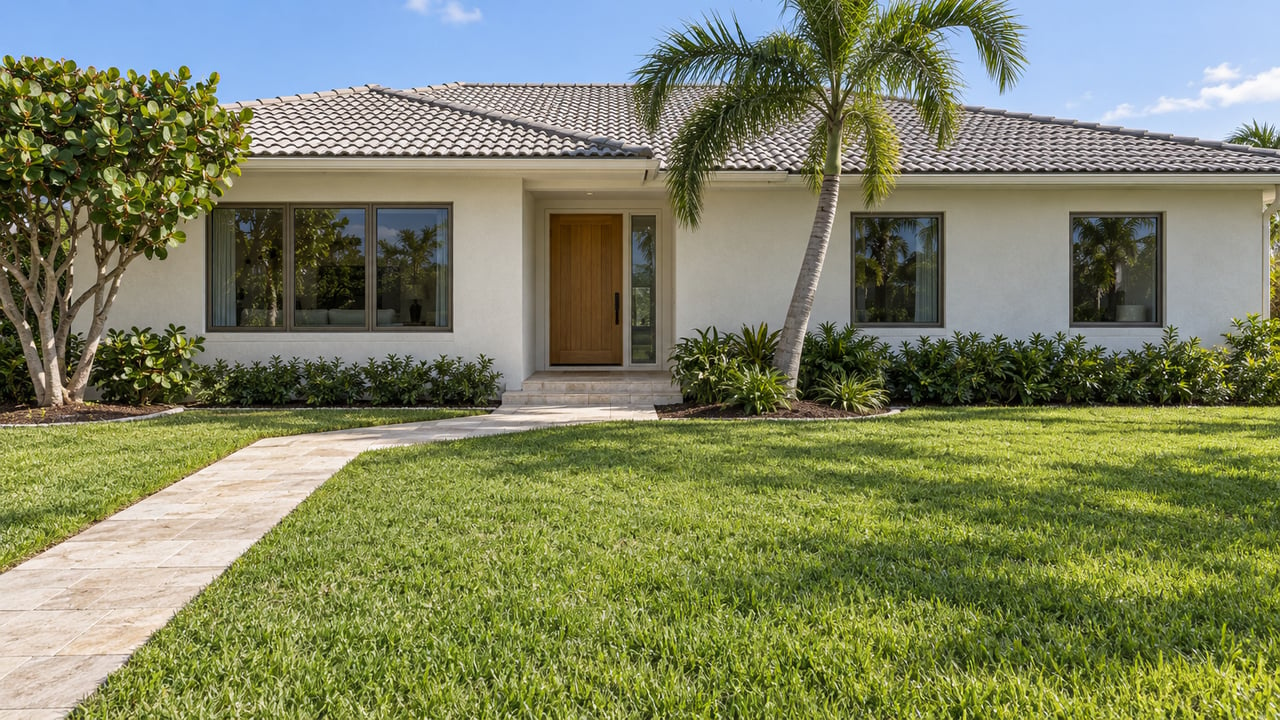
West Miami is not a one-size-fits-all market. The city’s planning documents show a long-standing emphasis on residential neighborhoods, with land use inventory that includes 49.40% single-family, 5.74% two-family, and 2.79% multi-family uses.
In practical terms, you may see detached single-family homes in established interior residential areas. You may also come across attached or higher-density housing near major corridors, especially as the city’s 2025 comprehensive-plan amendment created a Corridor Residential designation along parts of SW 8 Street and nearby areas.
That designation allows residential complexes with a variety of housing sizes and types and densities up to 80 units per acre. For a first-time buyer, that matters because it can create different entry points depending on your budget, lifestyle, and maintenance preferences.
Start With a Strong Preapproval
In a compact market like West Miami, getting preapproved early can give you a real advantage. It helps you understand your price range, shows sellers that you are serious, and allows you to move faster when the right property appears.
The Consumer Financial Protection Bureau recommends comparing at least three loan offers. It also advises buyers to request multiple preapprovals and compare Loan Estimates side by side, looking at interest rate, monthly payment, taxes, insurance, closing costs, points, and seller credits or other concessions that may affect your cash to close.
This step is especially important if you are trying to keep your monthly housing payment manageable. A small difference in rate, fees, or mortgage insurance can meaningfully change your overall cost.
Common Loan Options for First-Time Buyers
Your financing path will depend on your income, savings, credit, and eligibility. Some of the most common options include:
- FHA loans, which HUD says may allow a down payment as low as 3.5% on 1 to 4 unit properties, though mortgage insurance typically applies
- Conventional low-down-payment loans, such as Freddie Mac Home Possible, which offers a 3% down payment option and may allow flexible sources of down payment funds
- VA loans for eligible veterans, service members, and certain surviving spouses, which may require no down payment and do not require PMI or MIP
The right option depends on your full financial picture, not just the minimum down payment. A lower upfront cost can still lead to a higher monthly payment, so it is important to compare carefully.
Florida and Miami-Dade Assistance Programs
If saving for a down payment or closing costs feels like the hardest part, you are not alone. There are state and county programs that may help qualified first-time buyers in West Miami.
Florida Housing Programs
Florida Housing offers a Homebuyer Program with 30-year fixed-rate first mortgages through participating lenders. It also offers second-mortgage options for down payment and closing-cost assistance. According to Florida Housing, the program requires approved homebuyer education, a participating lender, income and purchase-price limits, IRS first-time-buyer status, and a minimum credit score of 640.
Florida Housing also offers Hometown Heroes assistance for income-qualified first-time homebuyers in eligible workforce occupations who are purchasing a primary residence. If you think you may qualify, it can be worth asking your lender about both programs early in the process.
Miami-Dade County Programs
Miami-Dade County also offers local resources that may be relevant. The county’s Homebuyer Loan Program works with participating first lenders and provides low-interest second and or third mortgage assistance for very low- to moderate-income households, with income levels that may not exceed 140% of Miami-Dade Area Median Income.
The county also says its Down Payment Assistance Program can provide an interest-free loan of up to $35,000 for a first home to qualifying buyers. The county uses a first-time-buyer definition based on not owning a principal residence during the prior three years.
Why Monthly Payment Matters More Than Price Alone
A home may look affordable based on the sale price, but the monthly payment is what affects your day-to-day life. West Miami’s median monthly owner costs with a mortgage are already a useful reminder that your budget needs to go beyond principal and interest.
When comparing homes, look at the full picture:
- Loan principal and interest
- Property taxes
- Homeowners insurance
- Mortgage insurance, if your loan requires it
- Association fees, if applicable
- Maintenance and repair reserves
If you keep your monthly budget front and center, you are less likely to become house-rich and cash-poor.
Check Permit History Before You Commit
In West Miami, permit history is a practical part of due diligence. The city’s Building Department reviews, processes, issues, and inspects permits to help ensure work complies with city, county, and Florida Building Code requirements.
That matters because many homes in established neighborhoods may have been renovated, expanded, or altered over time. If a property shows signs of additions or major updates, you should make permit history part of your review during the offer and inspection period.
West Miami also maintains a Building Division, permit portal, building permit forms, and planning and zoning permit forms. For you, that creates a more concrete path to verify whether visible improvements were properly documented.
How To Make a Competitive Offer
Because West Miami is small and established, good homes that fit a first-time buyer budget may attract strong attention. You do not need to rush blindly, but you do need to be ready.
A clean offer often starts with a few basics:
- Preapproval completed before touring seriously
- Down payment and closing funds documented
- A clear understanding of your monthly comfort zone
- Realistic expectations about condition, size, and location
- A plan to review permit history if the home appears updated
Being organized helps you move quickly without skipping important protections. In a market with limited inventory, that balance can make a real difference.
Do Not Forget Homestead Exemption
After closing, one of the most important next steps is filing for homestead exemption if the home is your primary residence and you qualify. The Florida Department of Revenue says the exemption and Save Our Homes limit can reduce taxable value by as much as $50,000.
In Miami-Dade County, the online filing portal states that the statutory deadline is March 1 each year. Missing that deadline could mean waiting longer for potential tax benefits, so it is smart to put it on your calendar as soon as you close.
A Smart First-Buyer Plan for West Miami
If you want to make your first purchase in West Miami feel more manageable, focus on a simple plan. Start with financing, understand the real monthly cost, and narrow your search based on the types of homes that fit both your budget and your lifestyle.
From there, stay ready to act when a property makes sense. In a compact city with an established housing base, preparation gives you options and helps you make clearer decisions under pressure.
If you are thinking about buying your first home in West Miami, working with a local team can help you move forward with more clarity and less stress. To talk through your budget, timeline, and next steps, book an appointment with Dominic Rivera.
FAQs
What is the average home value context for first-time buyers in West Miami?
- Census QuickFacts reports a median owner-occupied home value of $488,800 in West Miami, which is a useful benchmark when you start building your budget.
What housing types can first-time buyers expect in West Miami?
- West Miami includes single-family, two-family, and multi-family housing, and some corridor areas may offer higher-density residential options with different housing sizes and types.
What first-time buyer assistance programs may help in West Miami?
- Qualified buyers may want to explore Florida Housing programs, including the Homebuyer Program and Hometown Heroes, along with Miami-Dade County’s Homebuyer Loan Program and Down Payment Assistance Program.
What should first-time buyers in West Miami compare when shopping for a mortgage?
- The CFPB recommends comparing at least three loan offers and reviewing interest rate, monthly payment, taxes, insurance, closing costs, points, and cash to close.
Why should buyers check permits on West Miami homes?
- In an established market where homes may have been updated over time, checking permit history can help you confirm whether renovations, additions, or other changes were properly reviewed and approved.
When should a new West Miami homeowner file for homestead exemption?
- Miami-Dade’s filing portal says the statutory deadline is March 1 each year, so eligible homeowners should plan to file promptly after closing.