Wondering whether Pinecrest is worth the premium? If you are thinking about moving up from a condo, townhome, or smaller suburban home, that is a smart question to ask. Pinecrest offers more land, more privacy, and a very specific residential feel, but it also comes with higher home prices and ownership costs than many nearby options. This guide will help you weigh the tradeoffs so you can decide if Pinecrest fits your goals. Let’s dive in.
What Pinecrest feels like
Pinecrest is a small village in Miami-Dade with 18,388 residents counted in the 2020 Census and an estimated 18,635 residents in 2025. The village covers about 7.45 square miles of land and is known for its tree-lined residential streets and larger homesites. If you want a setting that feels established, green, and primarily residential, Pinecrest stands out.
The village also describes itself as a community shaped by large estate lots, abundant landscaping, open space, and proximity to downtown Miami. That helps explain why many buyers look here when they want more room without leaving central parts of Miami-Dade too far behind. In practical terms, Pinecrest tends to appeal to buyers who want space and a long-term home base.
Why buyers consider Pinecrest
For many move-up buyers, Pinecrest solves a common problem. You may have outgrown your current space, want more privacy, or prefer a lower-density setting than what you find in many other parts of Miami. Pinecrest is often part of that conversation because its housing pattern supports those priorities.
The area’s development history also matters. Pinecrest says its 1950s and 1960s growth centered on ranch-style homes on acre lots, and that legacy still shapes the village’s lush, low-density character today. That is a big part of why the community feels different from denser suburban options.
Pinecrest homes and lot sizes
If land matters to you, Pinecrest is hard to ignore. The village zoning map includes several residential categories, ranging from one unit per 7,500 net square feet to one unit per 15,000 net square feet, one unit per 25,000 gross square feet, one unit per gross acre, and even one unit per 2.5 gross acres in some estate areas. That range helps preserve a lower-density residential pattern across much of the village.
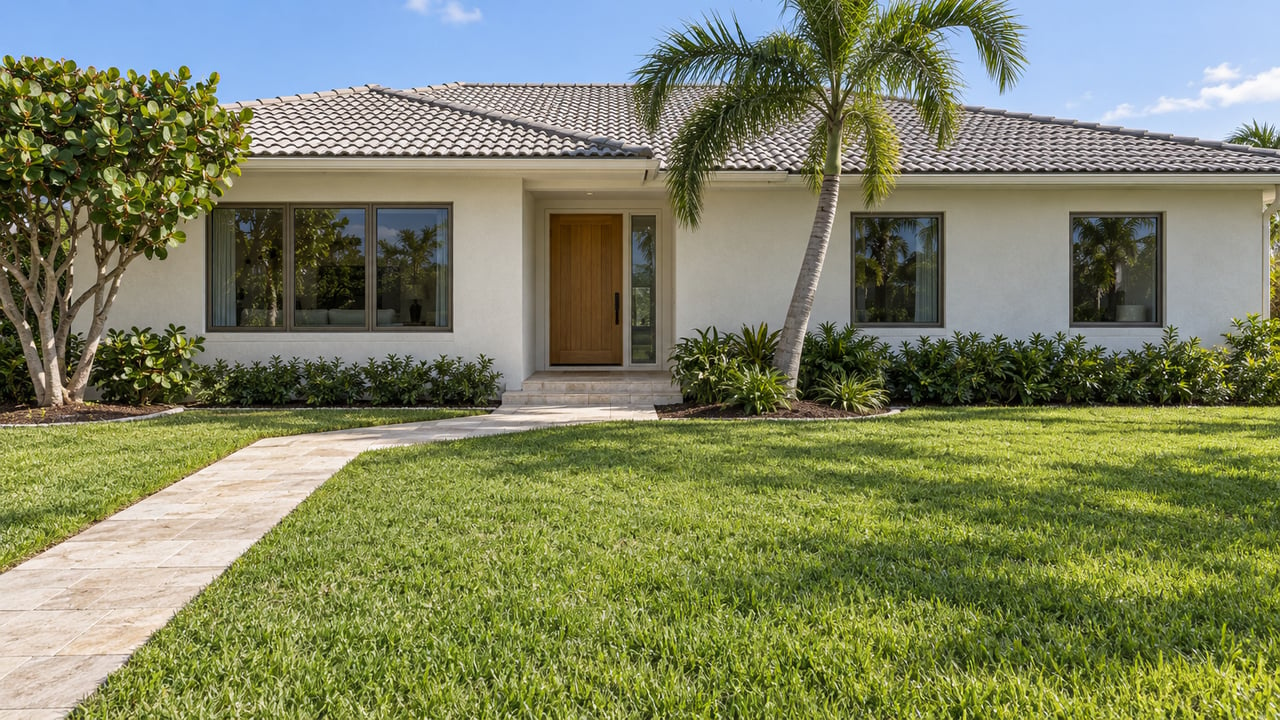
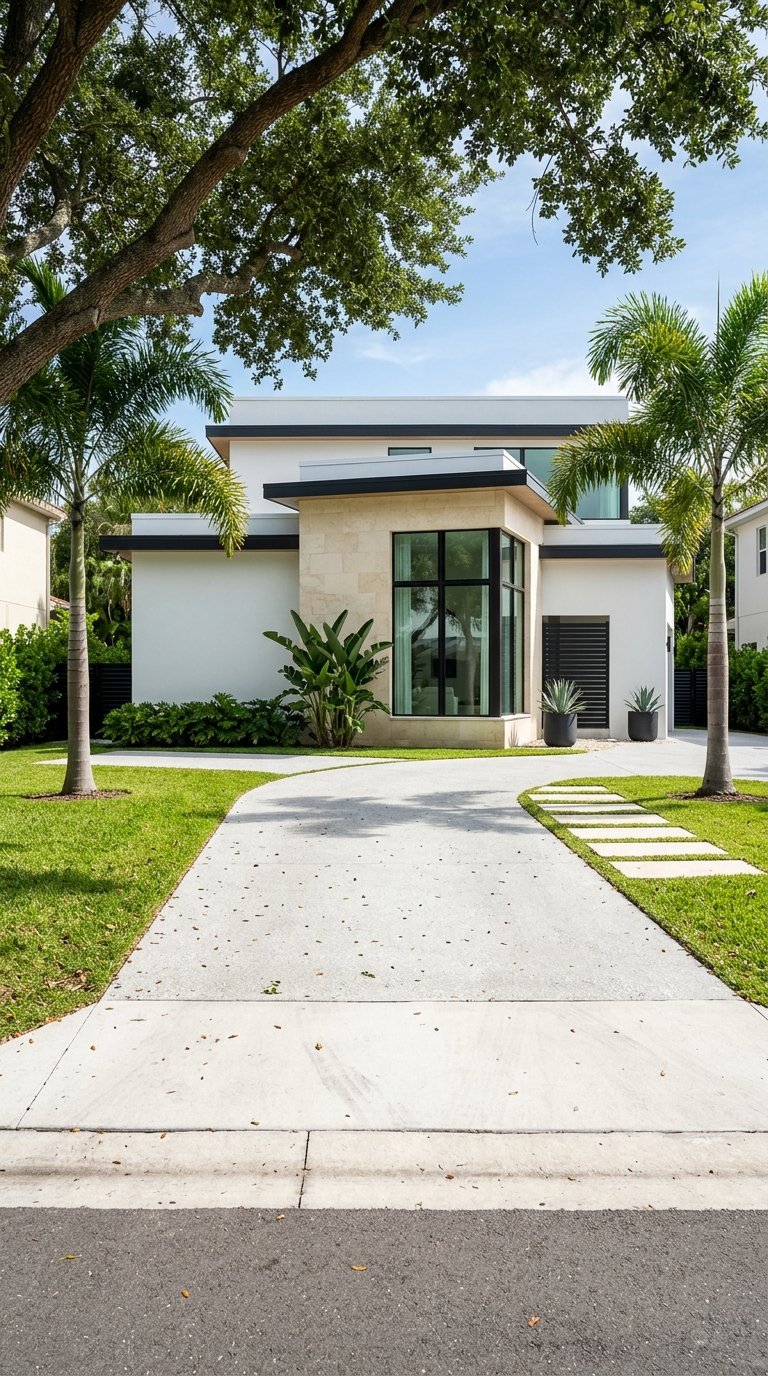
For buyers, that usually translates into a stronger chance of finding larger lots, more yard space, and more separation between homes than in many nearby communities. It does not mean every home sits on a huge parcel, but it does mean Pinecrest’s overall land-use framework supports that estate-home reputation. If your wish list includes outdoor space, a pool, or room to expand, Pinecrest may deserve a closer look.
Ownership profile and stability
Pinecrest has a strongly owner-occupied housing base. According to Census data, 82.8% of housing units are owner-occupied, and the average household size is 3.03 people. That kind of ownership profile often appeals to buyers who want a place where many residents are long-term homeowners.
The village also has a highly educated population, with 72.4% of adults age 25 and older holding at least a bachelor’s degree. While that does not tell you whether a home is right for you, it does help paint a picture of Pinecrest as an established, high-income residential market. For many buyers, that adds to the sense of long-term stability.
How expensive is Pinecrest?
This is where Pinecrest becomes a very specific fit. The median value of owner-occupied homes is $1,406,400, and Zillow estimates the average home value at about $2.21 million. Median monthly owner costs with a mortgage are above $4,000.
Compared with nearby alternatives, Pinecrest sits at the top of the local price ladder in Census home-value terms. Palmetto Bay’s median owner-occupied home value is $879,700, Coral Gables is $1,089,900, and Cutler Bay is $472,700. If your main goal is keeping monthly carrying costs lower, Pinecrest may feel like a stretch compared with those other markets.
That does not make Pinecrest overpriced. It means you are usually paying for a different package: larger lots, a more controlled low-density environment, and a strong owner-occupied base. The key is deciding whether those benefits match what matters most to you.
Commute and access in Pinecrest
Pinecrest gives you suburban space with relatively solid access for Miami-Dade. The mean travel time to work is 27.6 minutes, which is shorter than Palmetto Bay’s 35.3 minutes and Cutler Bay’s 38.2 minutes, though longer than Coral Gables’ 23.8 minutes. The village also sits south of Downtown Miami and Miami International Airport, with U.S. 1 along its western boundary.
That location can work well if you want a residential setting without feeling too disconnected from job centers and daily destinations. For some buyers, this balance is one of Pinecrest’s biggest strengths. You get more room and a calmer streetscape while still staying connected to the broader Miami area.
Transit and everyday mobility
Many suburban buyers assume they will rely only on cars, but Pinecrest offers more mobility options than some people expect. The village runs a free People Mover bus with northern, central, and southern routes that connect neighborhoods and schools. Some stops also connect to Metrobus.
Miami-Dade’s Metro Express BRT serves Pinecrest on the South Dade TransitWay and links riders to Dadeland South Metrorail, job hubs, hospitals, and other destinations. If you value flexibility for commuting or family routines, that can be a meaningful plus. It may not replace driving for every household, but it adds options.
Parks, greenery, and daily lifestyle
Pinecrest’s public spaces are part of its appeal. The village lists eight parks, including Evelyn Greer Park, a 10-acre active park with athletic fields, a playground, shaded areas, and a walking and jogging track. Pinecrest Gardens adds a 14-acre botanical garden to the local lifestyle mix.
The tree canopy is another defining feature. The village says it has planted more than 10,000 street trees since 1997 and even offers free trees for right-of-way planting. For buyers who want a greener, more landscaped setting, those details help explain why Pinecrest has such a distinct feel.
Controlled development and long-term character
One of Pinecrest’s strongest selling points is not flashy at all. It is the village’s emphasis on controlled development and preserving its residential character. The strategic plan says Pinecrest aims to preserve the streetscape, minimize commercial impacts, protect educational institutions, and plan for future community needs.
Subdivision rules and zoning controls also show that parcel configuration is managed carefully, including public hearings for subdivision plats. For buyers thinking long term, that matters. It suggests that Pinecrest’s low-density, estate-style character is not accidental and is something the village is actively trying to maintain.
Flood zones, drainage, and ownership costs
Every Pinecrest buyer should look beyond purchase price. The village participates in the National Flood Insurance Program, provides a flood-zone viewer, and offers elevation-certificate lookup tools. It is also carrying out stormwater drainage projects aimed at mitigating local flooding and protecting property values.
This means your home search should include questions about flood zone, drainage conditions, and insurance costs. Larger lots and larger homes can be appealing, but they can also come with bigger carrying costs. A smart Pinecrest purchase is not just about liking the house. It is about understanding the full ownership picture.
How fast does the market move?
Even in a premium market, pricing still matters. Zillow estimates that Pinecrest homes go pending in around 79 days. That suggests a market where well-positioned homes can attract buyers, but where strategy and presentation remain important.
For buyers, this can mean a bit more room for thoughtful decision-making than in a market that moves at breakneck speed. For sellers, it reinforces the value of strong marketing and realistic pricing from day one. In a high-value area like Pinecrest, details matter.
Who Pinecrest fits best
Pinecrest is often a strong fit if you want:
- More land and outdoor space
- Greater privacy than denser neighborhoods often provide
- A primarily owner-occupied community
- A residential setting with controlled development
- Access to Miami while keeping a more suburban feel
- A home you plan to hold for the long term
In other words, Pinecrest tends to make the most sense for buyers who are intentionally paying more for space, setting, and stability.
When Pinecrest may not be the right move
Pinecrest is not the best answer for every buyer. If your top priority is stretching your budget as far as possible, lowering monthly carrying costs, or staying closer to condo-level economics, nearby alternatives may line up better with your goals. The premium here is real.
It may also be a weaker fit if you want a more urban, walkable lifestyle centered on dense retail and condo living. Pinecrest’s appeal is tied to its residential character, larger lots, and lower-density layout. That is exactly why some buyers love it, and why others choose a different kind of neighborhood.
The bottom line on Pinecrest
If your next move is about more space, more privacy, and a long-term residential setting, Pinecrest deserves serious consideration. Its large-lot tradition, strong owner-occupied base, parks, tree canopy, and controlled development give it a distinct position in the Miami-Dade market. At the same time, its higher prices, insurance considerations, and overall carrying costs mean you should go in with clear eyes.
The right move comes down to your priorities. If Pinecrest’s premium matches the lifestyle and long-term value you want, it can be an excellent place to buy your next home. If you want help weighing Pinecrest against other Miami-area options, Dominic Rivera can help you compare neighborhoods, costs, and property types with a practical local perspective.
FAQs
Is Pinecrest a good place for move-up buyers in Miami-Dade?
- Pinecrest is often appealing to move-up buyers who want more land, more privacy, and a lower-density residential setting with a strong owner-occupied base.
How expensive are homes in Pinecrest, Florida?
- Census data shows a median owner-occupied home value of $1,406,400 in Pinecrest, while Zillow estimates the average home value at about $2.21 million.
How does Pinecrest compare with Palmetto Bay or Coral Gables?
- In Census home-value terms, Pinecrest is more expensive than both Palmetto Bay and Coral Gables, but it also offers a distinct large-lot, estate-home character.
What is the commute like from Pinecrest?
- Pinecrest’s mean travel time to work is 27.6 minutes, which is shorter than Palmetto Bay and Cutler Bay, though longer than Coral Gables.
Does Pinecrest have parks and green space?
- Yes. The village lists eight parks, including Evelyn Greer Park, and it also features Pinecrest Gardens, a 14-acre botanical garden.
What should buyers check before buying a home in Pinecrest?
- Buyers should review the property’s lot size, zoning context, flood zone, drainage conditions, insurance costs, and total monthly carrying costs before making a decision.