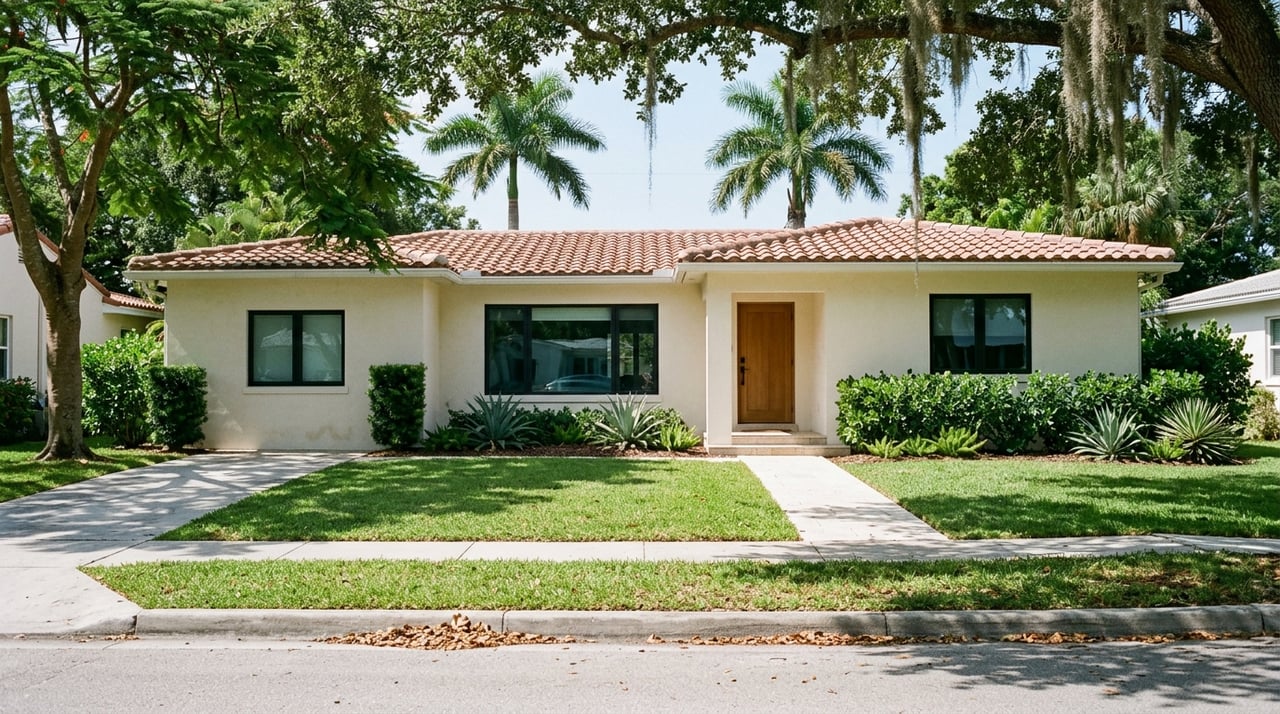
If you want a single-family home in Miami that feels more open without cutting yourself off from the city, Miami Shores deserves a closer look. For many buyers, the challenge is finding a neighborhood with real yard space, architectural character, and practical access all in one place. This guide will help you understand what makes Miami Shores stand out, what to watch for as you shop, and how to think about fit before you make a move. Let’s dive in.
Why Miami Shores Stands Out
Miami Shores Village sits on Biscayne Bay just north of the City of Miami, which gives you a location that feels connected without being right in the middle of the urban core. The village describes itself as a single-family suburb with lush parks, wide tree-lined streets, and a mix of architectural styles. That combination is a big reason buyers keep Miami Shores on their shortlist.
The village had about 11,567 residents in 2020, with an estimated 11,917 in 2024 and roughly 3,650 households. It also reports an owner-occupied rate of 86.7%, a median home value of $788,600, and a median household income of $137,873. Those numbers help frame Miami Shores as an established residential market with a strong single-family identity.
Single-Family Space Feels Different Here
One of the biggest draws in Miami Shores is how the neighborhood feels at street level. Planning materials say most lots are about 9,300 square feet, which is a useful clue for why the area often feels more spacious than denser parts of Miami-Dade. If you have been comparing neighborhoods where homes sit much closer together, that difference can be meaningful in daily life.
The chamber also notes that the village has close to 4,000 single-family homes. Apartments and condos are more concentrated closer to the water, so much of the village reads as a built-out one-family residential setting. For buyers who want a traditional single-family environment, that is an important part of the appeal.
Architectural Charm Has Real Depth
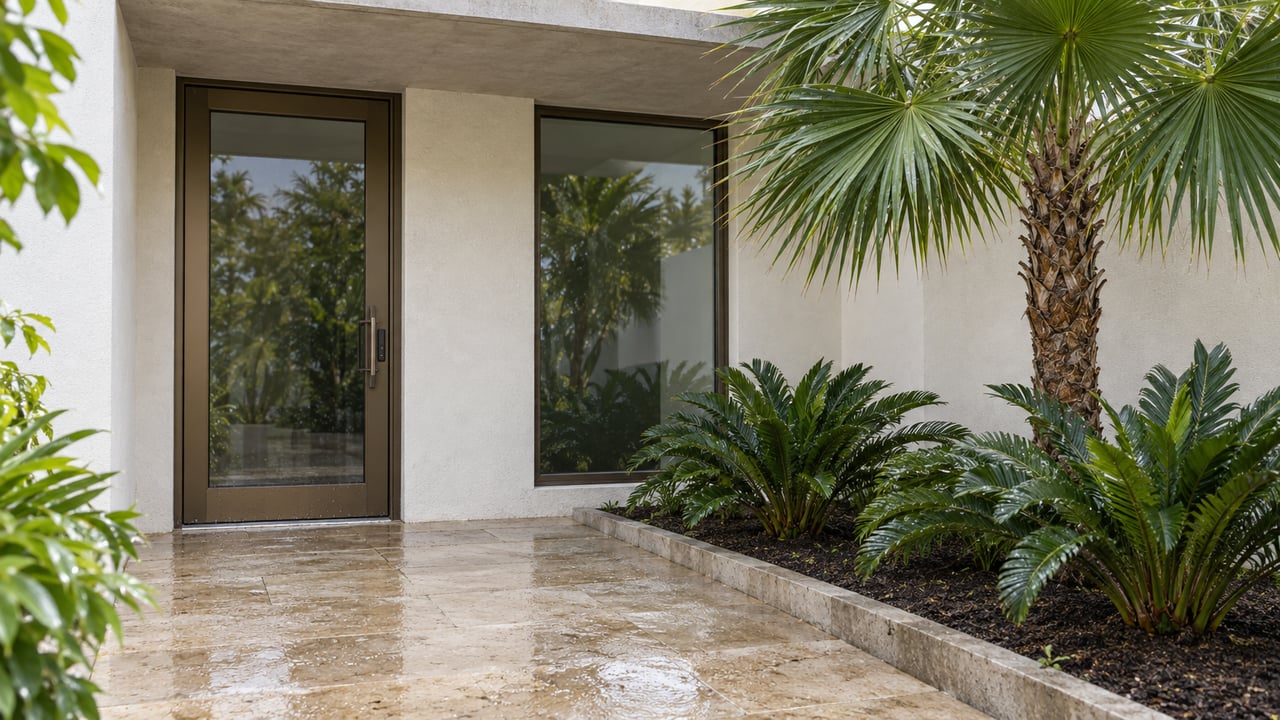
Miami Shores is not a neighborhood of copy-and-paste homes. Its historic core developed in the mid-1920s, and the earliest phase was largely Mediterranean Revival, including larger two-story homes by Kiehnel and Elliott. Over time, the housing mix expanded to include Art Deco, Mission or Pueblo Revival, Colonial Revival, Tudor Revival, and postwar styles.
That variety gives the neighborhood a layered look that many buyers find hard to replicate elsewhere. The village budget profile also points to MiMo as part of the local architectural mix, adding another recognizable South Florida design note. If you care about curb appeal and homes with visual personality, Miami Shores offers more range than many newer subdivisions.
Streetscape Adds to the Appeal
A home is not just the structure itself. In Miami Shores, the setting around the home plays a big role in how the neighborhood feels. Historic documentation highlights tree-lined streets, wide green easements, and landscaping as part of the area’s visual identity.
That matters because it shapes your day-to-day experience beyond the front door. When you drive, walk, or bike through the neighborhood, the wider street pattern and mature landscaping help reinforce the sense of space that buyers often notice right away. It is one of those qualities that can be hard to measure but easy to feel.
Local Amenities Support Daily Life
Single-family buyers often want more than a house. They want a neighborhood with useful, nearby amenities that fit everyday routines. Miami Shores has several village-scale anchors that support that kind of lifestyle.
The official parks system includes Bayfront Park, the Aquatic Center, athletic fields, the C. Lawton McCall Community Center, a tennis and pickleball center, and several smaller parks. The recreation offering also includes golf and tennis at the Country Club, swimming at the Aquatic Center, and year-round programming at the Recreation Center.
Village Place along NE 2nd Avenue from 94th to 101st Streets serves as the local shopping and dining cluster. The chamber notes pocket parks and restored on-street parking there, which adds to its role as a practical local hub. For buyers, that means you are not relying only on regional destinations for daily convenience.
Bayfront Access Adds Lifestyle Value
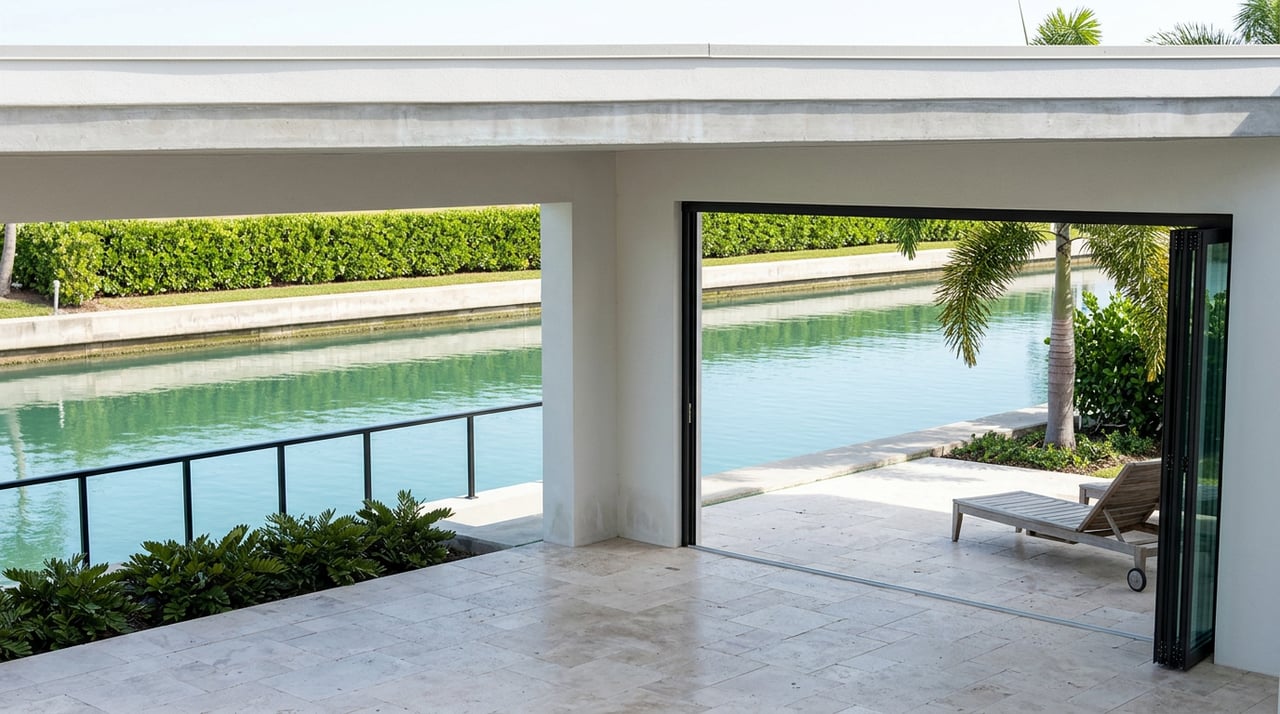
Bayfront Park is one of the more distinctive public amenities in Miami Shores. The park sits along N. Bayshore Drive between 94th and 97th Streets and offers bay views plus a walking path. Its waterfront trail is about 900 feet long, which gives residents a simple but meaningful way to enjoy the bay.
For many buyers, access to public waterfront space adds value even if the home itself is not on the water. It gives the neighborhood a coastal dimension that feels very South Florida. That said, the bayfront also comes with practical realities, which leads to an important buyer consideration.
Flood and Waterfront Due Diligence Matters
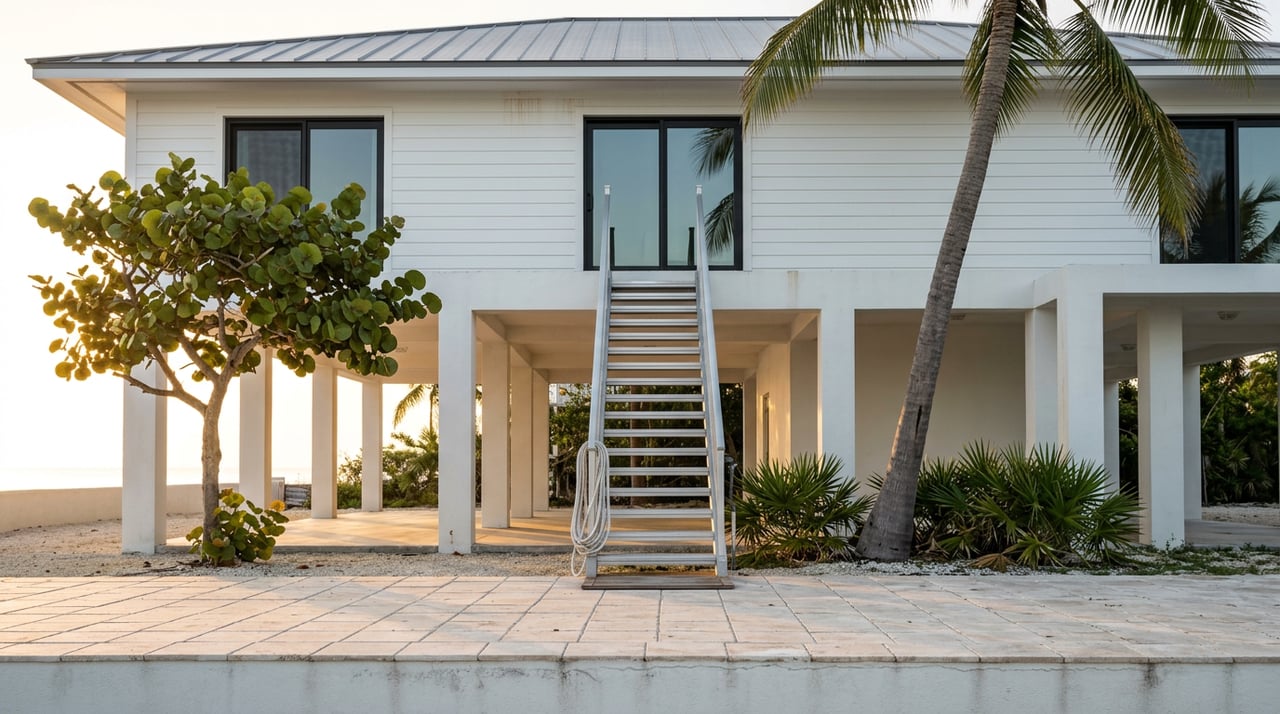
The village’s Bayfront Park materials specifically mention rainy-season flooding and saltwater intrusion affecting the site. The park project is being redesigned with a higher seawall and public waterfront access, which shows that resilience is part of the local conversation. If you are considering property near the bay or in a lower-lying area, that context matters.
For buyers, this means your due diligence should go beyond finishes and layout. Pay close attention to flood exposure, drainage, seawall condition where relevant, and insurance considerations. In a neighborhood with waterfront influence, property-level details can make a major difference in both cost and long-term comfort.
Remodeling Rules Deserve Attention
Miami Shores is a built-out residential environment, and village planning materials make clear that lot coverage, setbacks, drainage, septic, and landscaping are central design issues. For buyers, this is especially important if you are looking at an older home with plans to expand, reconfigure, or fully renovate. The process may be more regulated than what you would expect in a less constrained subdivision setting.
That does not have to be a negative. In many cases, these rules help preserve the one-family character and visual consistency that attract buyers in the first place. Still, if your purchase depends on future improvements, it is wise to evaluate what may be feasible before you commit.
Access Is a Major Advantage
Location is one of Miami Shores’ strongest selling points. The village says it has quick access to I-95, beaches, Fort Lauderdale, and downtown Miami. That kind of regional connectivity is a big reason the area works well for buyers who want a calmer residential base without losing access to the broader metro.
Transit also supports that convenience. Miami-Dade Transit Route 3 runs along Biscayne Boulevard between Aventura and Downtown Miami, reinforcing the corridor access that benefits the village. In practical terms, Miami Shores can work well if you want a neighborhood feel paired with direct routes to major destinations.
Who Miami Shores Often Fits Best
Miami Shores can make sense for several types of buyers, especially those who value a blend of space, charm, and location. It tends to appeal to people who want a single-family setting with more breathing room than many close-in Miami neighborhoods. It can also be a strong match if you care about architectural character and want a community with established visual identity.
It may be especially worth a look if you are prioritizing:
- Larger-feeling lots
- A mostly single-family residential environment
- Distinct older-home architecture
- Parks and community amenities nearby
- Access to downtown Miami, I-95, and Biscayne Boulevard corridors
At the same time, it is smart to go in with a clear understanding of renovation limits and any bay-related property risks. The right fit depends not only on the neighborhood, but also on how a specific home aligns with your plans.
How to Evaluate Homes in Miami Shores
When you tour homes here, it helps to look beyond surface finishes. In a neighborhood known for older architecture and established lots, the most important questions are often about condition, site constraints, and long-term usability. A beautiful home can still require careful review if you plan to make changes later.
As you compare options, focus on a few practical points:
- Lot size and how the outdoor space functions
- The home’s architectural style and preservation needs
- Drainage and elevation considerations
- Renovation potential under current village rules
- Proximity to bayfront areas and related insurance questions
- Access to parks, Village Place, and major roads
This kind of neighborhood rewards a detailed, property-by-property approach. Two homes on paper may look similar, but the ownership experience can differ based on location, lot conditions, and improvement options.
Why Hyperlocal Guidance Helps
Miami Shores is easy to like at a glance, but smart buying decisions here come from understanding the details. Lot patterns, older-home conditions, village code issues, and flood-related due diligence can all affect value and fit. That is why local context matters as much as square footage or style.
If you are comparing Miami Shores with places like Biscayne Park, El Portal, Pinecrest, Coral Gables, Palmetto Bay, or Cutler Bay, it helps to weigh not just price but also housing form, access, and renovation flexibility. A neighborhood that feels right emotionally should also work for you practically.
If you are exploring single-family homes in Miami Shores and want clear, grounded guidance, Dominic Rivera can help you evaluate the neighborhood, narrow your options, and move forward with confidence.
FAQs
What makes Miami Shores single-family homes feel more spacious?
- Village planning materials say most lots are about 9,300 square feet, and the area’s wide tree-lined streets and green easements add to that sense of openness.
What architectural styles are common in Miami Shores homes?
- The historic core is anchored by Mediterranean Revival, with Art Deco, MiMo, Mission or Pueblo Revival, Colonial Revival, Tudor Revival, and postwar homes also part of the local mix.
What amenities do Miami Shores residents use most?
- Key local amenities include Bayfront Park, the Aquatic Center, athletic fields, the community center, tennis and pickleball facilities, and the Village Place shopping and dining area.
What should buyers check before buying near Biscayne Bay in Miami Shores?
- Buyers should pay close attention to flood exposure, drainage, seawall condition where applicable, and insurance considerations, especially for waterfront or low-lying properties.
Are remodeling rules important when buying an older Miami Shores home?
- Yes. Village planning materials say lot coverage, setbacks, drainage, septic, and landscaping are central issues, so renovation potential should be reviewed early if you plan to make changes.